



Bedfordshire Hospitals NHS Foundation Trust (BedsFT) – a merger of Bedford Hospital NHS Trust and the Luton and Dunstable University Hospital NHS Foundation Trust – delivers a comprehensive range of acute care and specialised inpatient services, supported by a centralised outpatient function managing referrals across clinical service lines. Serving a growing population exceeding 700,000, the scale and complexity of its operations are significant.
Yet, with a heavily manual referral management process in place, the Trust faced a growing need to streamline its approach. Already a MediViewer user, BedsFT turned to Mizaic to see how our clinical workflow automation tool, LEO, could support. With the Trust deploying LEO for eRS referrals, across multiple specialties, the platform is improving oversight, reducing administrative touchpoints, and streamlining care pathways for patients.
Key Highlights
With a centralised, real-time view of referral activity now live across all services, teams can better understand pathway status at a glance, enabling them to respond more quickly and purposefully to challenges.
Reduced manual handling across the referral journey supports a more consistent and controlled journey. Meanwhile, with no administrative time required for printing and scanning, teams are freed to focus on higher-value activities like filling clinics, validating waiting lists, and engaging directly with patients
As a web-based platform, LEO allows clinicians to access and triage referrals flexibly from any location, supporting day-to-day usability and engagement.
Integration with MediViewer removes the need for manual document transfers, automatically pushing data through to the centralised system once the triage outcome is confirmed, further streamlining workflows and reducing administrative load.
LEO supports the Trust’s future SPoA model, aligning with NHS England direction by enabling referrals to be redirected, shared between services, and managed more collaboratively – rather than being rejected or returned – helping ensure patients are guided to the most appropriate care pathway.
Bespoke configuration around the Trust’s existing pathways means the solution enhances current practices rather than requiring wholesale change, improving clinical engagement and supporting a smooth adoption process.
Hands-on support during implementation enabled delivery at pace while maintaining confidence across operational and governance stakeholders.
The Challenge
BedsFT manages referrals across a wide range of specialties, each with its own distinct processes and operational requirements. While the NHS e-Referral Service (eRS) provided a consistent digital point of entry, the internal handling of referrals relied on a series of manual steps to move information between teams and clinicians, and in some cases back to GPs. It's a challenge far from unique to BedsFT – across the NHS, many trusts continue to face the same tension between digital entry points and the manual processes that sit behind them.
As it stood, eRS referrals were printed, physically transported in paper form between departments, and often placed on clinicians' desks where they could remain unprocessed for extended periods. If consultants only had one day per week dedicated to administrative duties, for example, it meant referrals could be waiting for several days before triage even began. If those referrals then needed to be returned to GPs to clarify details or obtain missing information – documents frequently returned with illegible handwritten annotations – this would introduce further delays in the patient pathway.
The physical nature of the process also meant referrals could be lost, misplaced, or returned incomplete with missing pages. Movement via internal post and multiple handoffs between teams only increased this risk, with documents often passing through several touchpoints before reaching the right destination. Most frustratingly, the Trust lacked real-time visibility into referral status and location. Paperwork effectively existed ‘somewhere in the ether’ until delays became apparent weeks later, often involving time-consuming investigations to locate and action.
The eRS platform itself also introduced challenges for BedsFT. While useful for booking appointments and downloading referrals, its functionality is highly technical and primarily transactional. Beyond greater control and efficiency, the Trust identified a need for a more flexible and intuitive layer to support day-to-day triage – one that could offer greater visibility, enhance usability for clinicians, and actively complement existing ways of working.
The Solution
Recognising the limitations of its existing processes and the opportunity to do better for both staff and patients, BedsFT took a proactive and considered approach to digital transformation. Rather than waiting for inefficiencies to compound, the Trust's Patient Access (central outpatients) team took ownership of the challenge – actively seeking out the right solution and playing a central role in shaping how it would work in practice.
The BedsFT team began by working closely alongside Mizaic's LEO specialists, taking the time to map out in detail how referrals moved through each service – ensuring the platform reflected real-world practices rather than requiring wholesale procedural change. This was a genuine partnership in which the Trust brought deep operational knowledge and a clear vision for improvement, while Mizaic provided the technical expertise to bring that vision to life through a more efficient and intuitive digital platform.
LEO enables clinicians to log in from any location to triage referrals digitally, and progress next steps through a centralised web-based interface. By removing the need for smart cards or Trust-specific devices, this accessibility has supported strong clinical engagement and streamlined referral management.
"LEO gives us a central view of referral activity and allows clinicians to triage digitally, from wherever they are working. That has made the process more accessible, more visible and easier to manage."
At the same time, the platform provides a clear view of where referrals sit within the pathway at any given moment, allowing teams to identify exactly where any bottlenecks might lie – whether it’s with clinicians, administrative staff, or booking teams – and respond accordingly. This level of visibility, combined with LEO’s ability to support more dynamic routing between services, is also helping to underpin the Trust’s longer-term ambition to develop a more integrated Single Point of Access (SPoA) model, in line with emerging NHS England direction.
Integration with e-RS, and the Trust’s existing MediViewer system, delivered immediate administrative benefits too. Once triage outcomes have been documented and confirmed, LEO automatically uploads triage outcomes to e-RS and referral documentation to Mediviewer which improves ongoing efficiencies across the pathway. By removing repetitive manual tasks that previously took several minutes to complete per referral, clinicians are freed to focus on high-value activities, strategic decision making, and frontline patient care; and administrators are able to dedicate time to value-adding tasks such as clinic utilisation, waiting list management and validation.
Implementation
The rollout began with a pilot in vascular services – chosen for its more straightforward and linear elective pathway – before extending into neurology, stroke, cancer, plastics, and gynaecology. Taking a phased approach allowed the Trust to embed the platform within simpler services first, building confidence and refining processes ahead of introducing it to more complex pathways with longer waiting times. Expansion continued specialty by specialty, with all services now fully migrated towards digital triage.
Mizaic’s project team also worked closely with BedsFT throughout the implementation, providing responsive support via dedicated communication channels, alongside on-site assistance, training, and guidance across governance and integration. This hands-on level of partnership ensured the solution could be delivered effectively, without placing significant additional demand on internal teams.
With the next phase of delivery now focusing on implementation at BedsFT’s Luton site, LEO is supporting broader cross-site alignment across the Trust.


We worked closely with Mizaic to digitise and enhance our current workflows, so that LEO could achieve a more consistent, controlled journey, without requiring wholesale change. This was critical in improving clinical engagement and supporting a smooth adoption.”

If you would like to schedule a LEO demo, contact us.
If you would like to schedule a LEO demo, contact us.
Related posts

event
Reimagining referral management - Bedfordshire Hospitals Story

guide
The Challenge of Managing Access Requests in NHS Trusts
guide
Empowering healthcare: A guide to patient-centric digital records in the NHS
guide
Building the economic case for an NHS EDMS guide

event
Digital Health Rewired 2025
case study
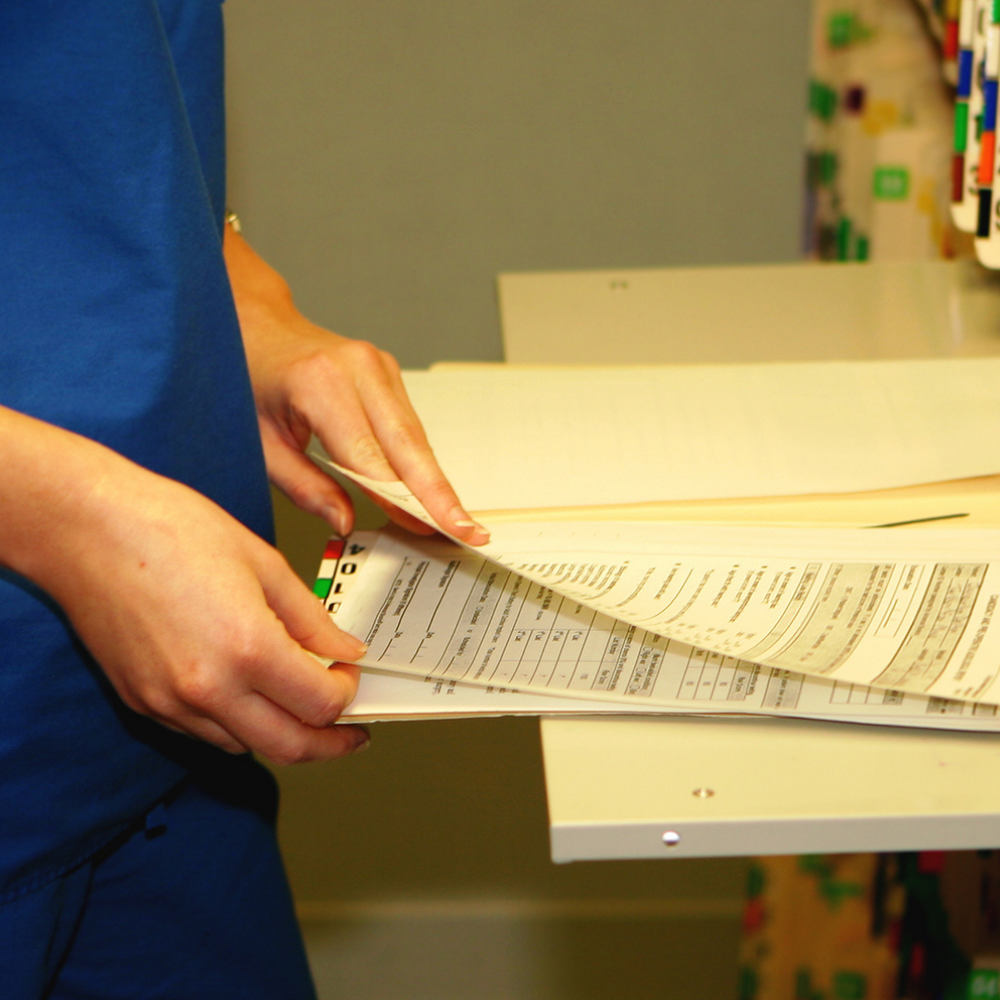
Helping Northumbria Healthcare NHS Foundation Trust digitise 1m+ patient records

case study
Barnsley Hospital achieves digital excellence with partners Mizaic, System C and Iron Mountain
case study
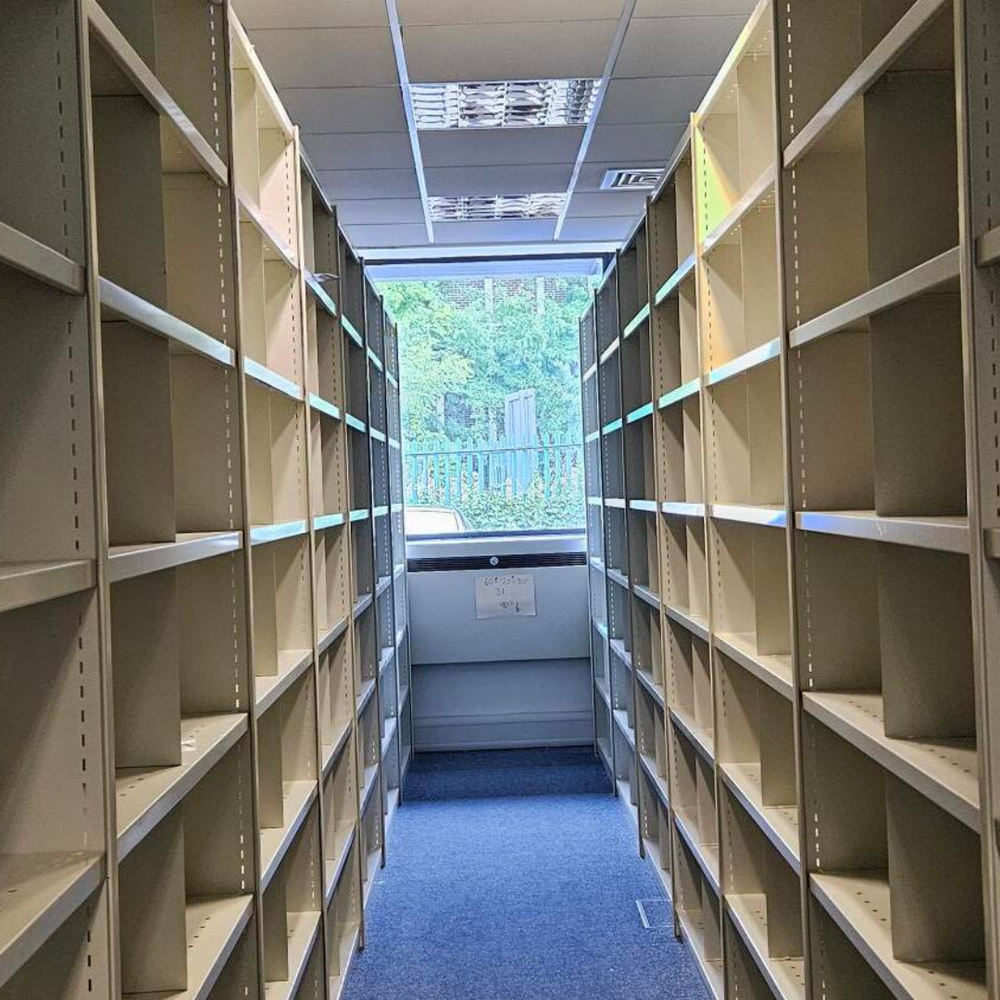
Hillingdon Hospitals NHS Foundation Trust transforms healthcare infrastructure

case study
Helping Northampton General Hospital NHS Trust digitise 200,000+ medical records


 Download our guide